
Machine vision transforms manufacturing by enabling automated inspection, quality control, and precision measurement at speeds impossible for human operators. This guide covers implementing industrial vision systems using affordable hardware like Raspberry Pi and professional cameras, making advanced inspection accessible to businesses of all sizes.
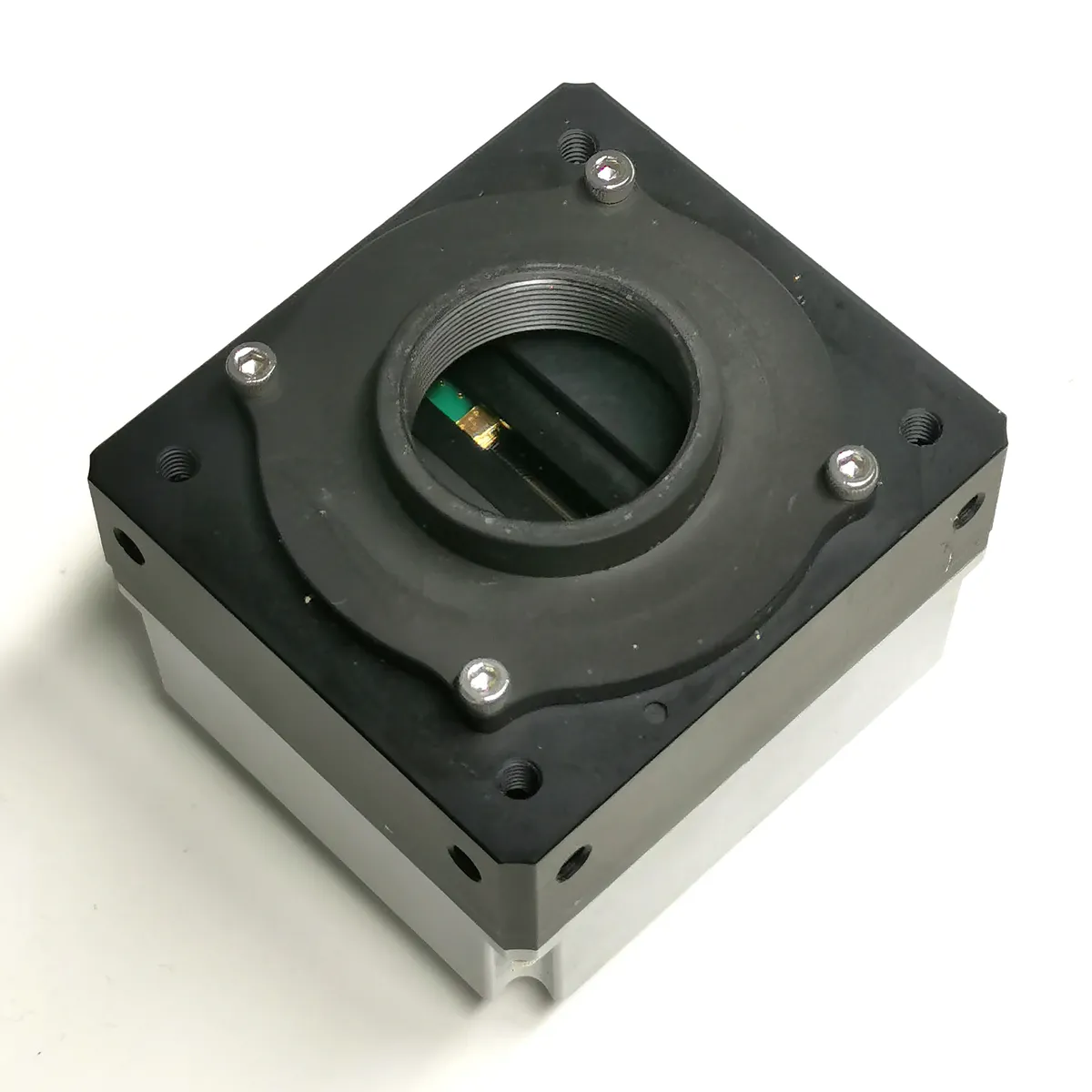
Industrial Vision Applications
Machine vision systems handle tasks that would be impossible or impractical for human inspectors:
| Application | Inspection Rate | Typical Accuracy | Use Cases |
|---|---|---|---|
| Defect Detection | 1000+ parts/min | 99.5%+ | Surface scratches, cracks, contamination |
| Dimensional Measurement | 500+ parts/min | ±0.01mm | Part dimensions, tolerances, alignment |
| Barcode/QR Reading | 2000+ reads/min | 99.9%+ | Tracking, inventory, traceability |
| Color/Appearance | 800+ parts/min | ΔE < 1 | Color matching, label verification |
| Robot Guidance | Real-time | ±0.1mm | Pick-and-place, assembly, welding |
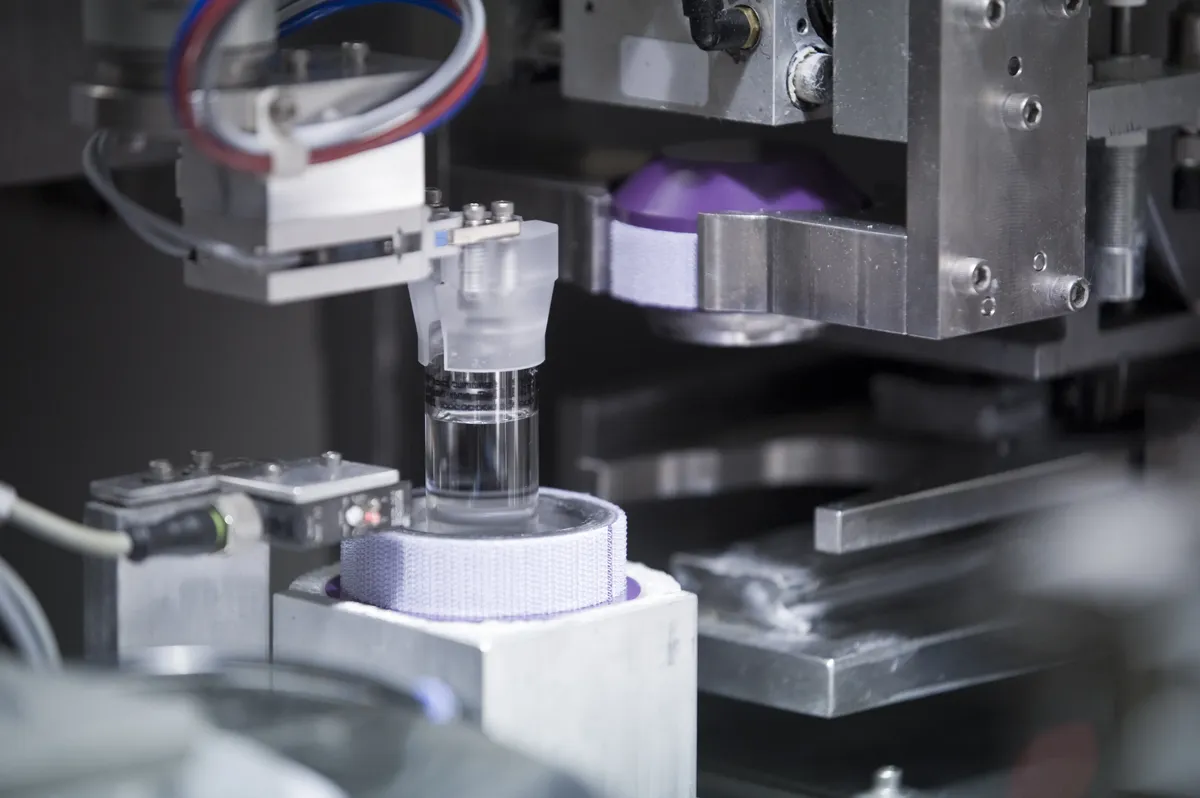
Hardware Selection
Entry Level (€200-500)
- • Raspberry Pi 4/5 + HQ Camera
- • USB global shutter cameras
- • Basic LED lighting
- • OpenCV processing
- • 30-100 inspections/minute
Professional (€1000-5000)
- • Industrial GigE cameras
- • Telecentric lenses
- • Structured lighting systems
- • HALCON/VisionPro software
- • 500+ inspections/minute
Lighting Techniques
Proper lighting is 80% of successful machine vision. Key techniques:
Backlight
Silhouette inspection, edge detection, dimensional measurement. Places light source behind object.
Diffuse Dome
Eliminates shadows and glare on curved/reflective surfaces. Ideal for shiny parts.
Dark Field
Highlights surface defects (scratches, contamination) by lighting at acute angles.
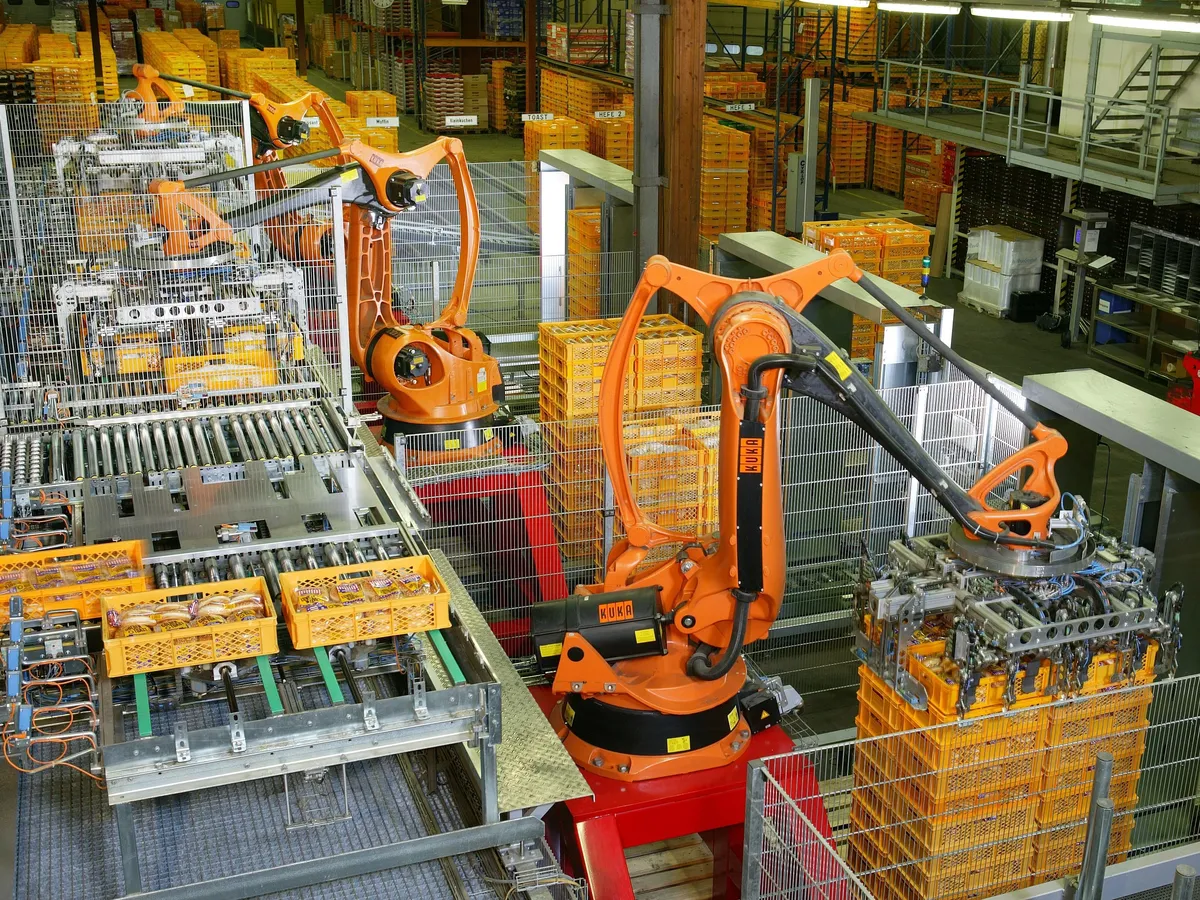
OpenCV Quality Inspection Code
import cv2
import numpy as np
from typing import Tuple, List

class DefectInspector:
 def __init__(self, reference_image: np.ndarray):
 self.reference = cv2.cvtColor(reference_image, cv2.COLOR_BGR2GRAY)
 self.reference = cv2.GaussianBlur(self.reference, (5, 5), 0)

 def inspect(self, test_image: np.ndarray,
 threshold: int = 30) -> Tuple[bool, List[dict]]:
 """
 Compare test image against reference for defects.
 Returns (passed, defects_list)
 """
 test_gray = cv2.cvtColor(test_image, cv2.COLOR_BGR2GRAY)
 test_gray = cv2.GaussianBlur(test_gray, (5, 5), 0)

 # Compute absolute difference
 diff = cv2.absdiff(self.reference, test_gray)
 _, thresh = cv2.threshold(diff, threshold, 255, cv2.THRESH_BINARY)

 # Find defect contours
 contours, _ = cv2.findContours(
 thresh, cv2.RETR_EXTERNAL, cv2.CHAIN_APPROX_SIMPLE
 )

 defects = []
 min_defect_area = 50 # Ignore tiny noise

 for contour in contours:
 area = cv2.contourArea(contour)
 if area > min_defect_area:
 x, y, w, h = cv2.boundingRect(contour)
 defects.append({
 'location': (x, y),
 'size': (w, h),
 'area': area,
 'severity': 'major' if area > 500 else 'minor'
 })

 passed = len(defects) == 0
 return passed, defects

# Usage
reference = cv2.imread('golden_sample.jpg')
inspector = DefectInspector(reference)

# Inspect production parts
for part_image in capture_parts():
 passed, defects = inspector.inspect(part_image)
 if not passed:
 trigger_reject(defects)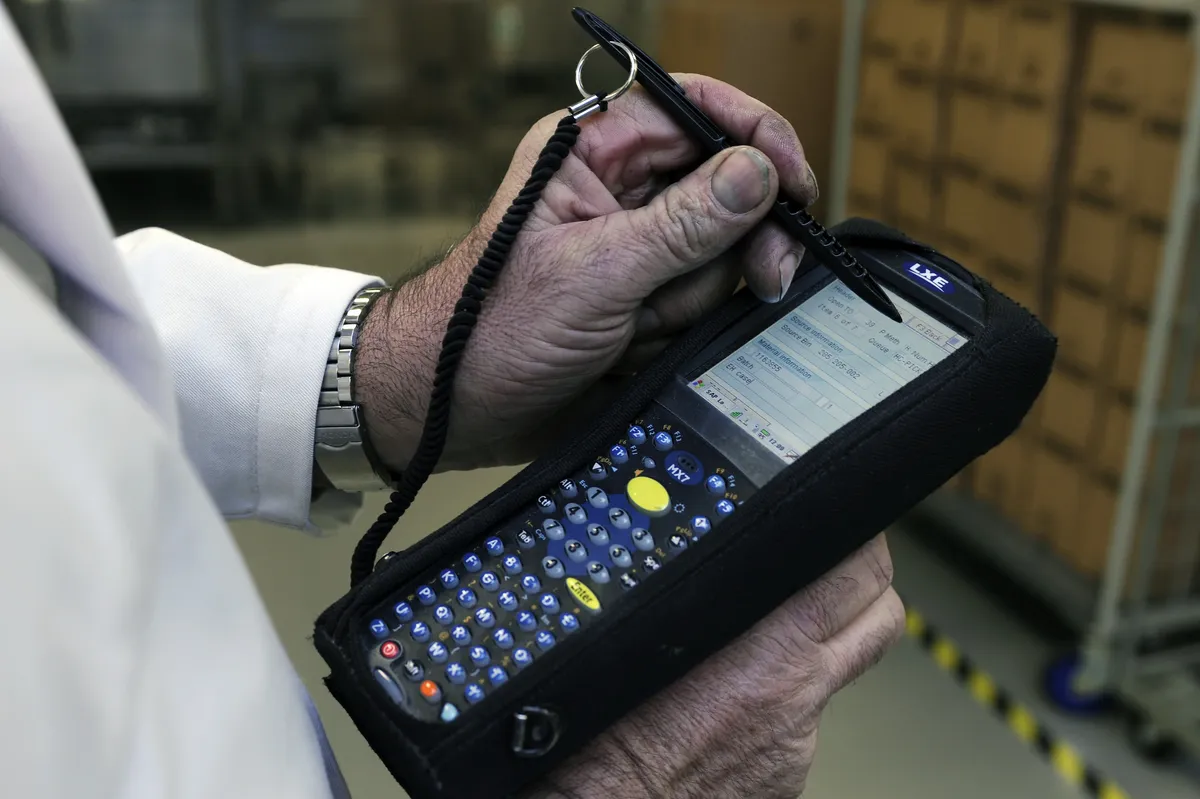
ROI Calculation
A typical manual inspector costs €30-50/hour and catches ~85% of defects. A €2000 vision system running 24/7 at 99.5% accuracy pays for itself in 2-3 months while eliminating defect-related customer returns.
Conclusion
Machine vision democratizes quality control, making 24/7 automated inspection accessible to small manufacturers. Start with affordable Raspberry Pi solutions for proof-of-concept, then scale to industrial cameras as volumes increase.
Ready to implement machine vision? Browse our selection of industrial cameras and Raspberry Pi modules at Robotics3D.
Frequently Asked Questions
Can Raspberry Pi-based vision systems achieve industrial-grade accuracy?
Yes, with proper camera selection, lighting, and calibration, Raspberry Pi systems can achieve 95-99% accuracy suitable for many industrial applications. Key factors include using high-resolution cameras like Arducam 64MP for detailed inspection, global shutter sensors for moving lines, proper lighting design, and thorough calibration. While they may not match the speed of 100,000+ EUR professional systems, they provide excellent value for applications not requiring absolute maximum throughput.
What camera should I use for inspecting parts on a moving conveyor belt?
Use an Arducam global shutter camera (OV9281 or OG01A1B models) for moving conveyor applications. Rolling shutter cameras produce motion blur and distortion when capturing moving objects, making defect detection unreliable. Global shutter sensors capture the entire frame simultaneously, providing sharp images regardless of conveyor speed. Pair with appropriate lighting (often strobed to freeze motion) for best results.
How important is lighting in industrial vision systems?
Lighting is arguably more critical than the camera itself. Proper lighting can make defects obvious and easily detectable, while poor lighting can make them invisible regardless of camera quality. Different defect types require specific lighting techniques: dark field for surface scratches, backlighting for dimensional measurement, diffuse bright field for color verification. Budget at least as much for lighting as for the camera, and test multiple lighting configurations during development.
How do I integrate a Raspberry Pi vision system with factory PLCs?
Use industrial communication protocols like Modbus TCP/RTU, OPC UA, or EtherNet/IP. The pymodbus library enables Modbus communication from Raspberry Pi to most PLCs. Use digital I/O (via GPIO or industrial I/O hats) for simple signals like pass/fail and trigger inputs. For more complex data exchange, consider MQTT for publish/subscribe architecture or REST APIs. Ensure reliable network connectivity and implement error handling for production environments.
What measurement accuracy can I achieve with camera-based systems?
With proper calibration, telecentric lenses, and controlled conditions, camera-based measurement can achieve 10-50 micron accuracy, sufficient for many manufacturing applications. Accuracy depends on factors including: camera resolution (higher is better), lens quality (telecentric lenses eliminate perspective error), working distance (closer improves resolution), lighting (affects edge detection precision), and calibration quality. For critical dimensions, verify accuracy against certified measurement tools before deployment.