
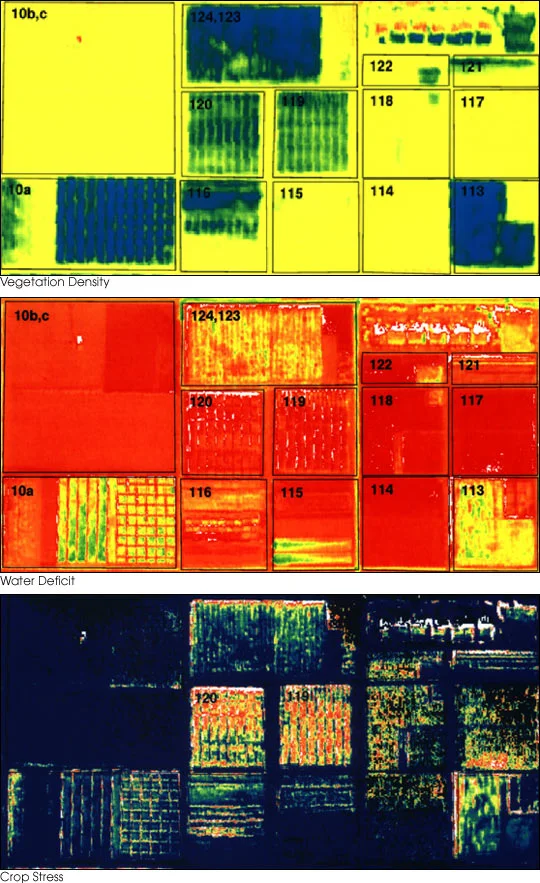
LoRaWAN transforms agriculture by enabling remote monitoring across vast areas with minimal infrastructure. Sensors can transmit data up to 15km in rural environments, operate on batteries for years, and connect hundreds of devices to a single gateway. This guide shows you how to implement precision farming solutions that reduce water usage, optimize fertilization, and increase crop yields.
Why LoRaWAN for Agriculture?
Traditional wireless solutions fail in agricultural settings. WiFi requires dense infrastructure, cellular has ongoing costs, and Bluetooth lacks range. LoRaWAN solves these challenges:
| Feature | LoRaWAN | WiFi | Cellular | Zigbee |
|---|---|---|---|---|
| Range (rural) | 10-15 km | 100m | Coverage dependent | 100m |
| Battery Life | 5-10 years | Days | Weeks-months | 1-2 years |
| Infrastructure Cost | €200 gateway | €1000s (mesh) | €0 (uses towers) | €500+ (coordinators) |
| Recurring Costs | €0-5/device/yr | Internet only | €50-200/device/yr | €0 |
Soil Moisture Monitoring
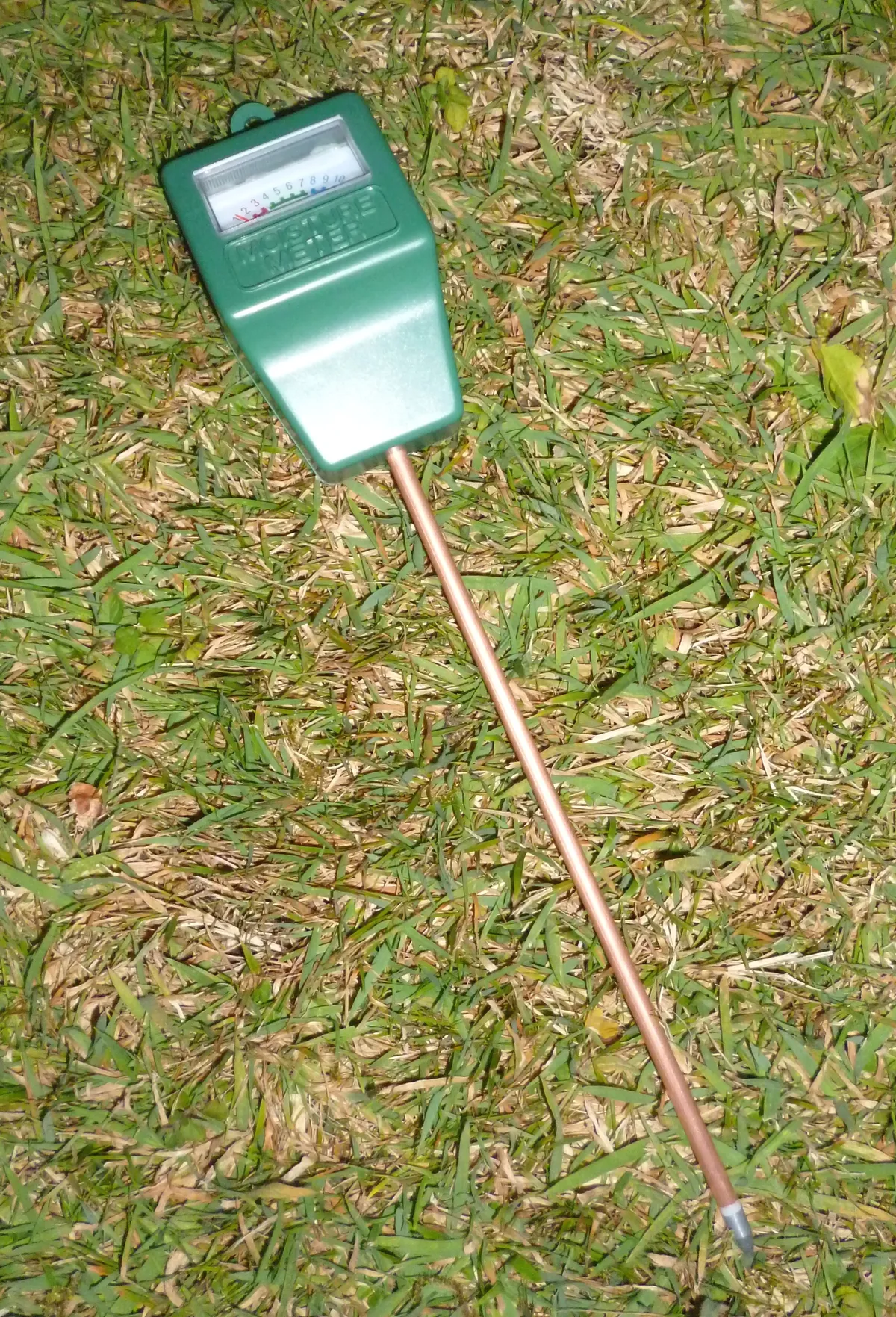
Soil moisture sensors are the foundation of precision irrigation. Deploy capacitive sensors at multiple depths to understand water movement through the soil profile:
#include <LoRaWan_APP.h>
#include <Wire.h>

// Soil sensor configuration
#define SOIL_SENSOR_PIN ADC1
#define DRY_VALUE 3200 // Calibrated dry reading
#define WET_VALUE 1400 // Calibrated wet reading

// LoRaWAN keys (ABP mode)
uint8_t nwkSKey[] = { 0x00, 0x00, 0x00, ... }; // Network Session Key
uint8_t appSKey[] = { 0x00, 0x00, 0x00, ... }; // App Session Key
uint32_t devAddr = 0x00000000; // Device Address

void setup() {
 // Initialize LoRaWAN
 LoRaWAN.begin(EU868);
 LoRaWAN.setDataRate(DR_3); // SF9 for good range/speed balance
 LoRaWAN.setAdaptiveDR(true);
}

void loop() {
 // Read soil moisture
 int rawValue = analogRead(SOIL_SENSOR_PIN);
 int moisturePercent = map(rawValue, DRY_VALUE, WET_VALUE, 0, 100);
 moisturePercent = constrain(moisturePercent, 0, 100);

 // Read battery voltage
 int batteryMv = getBatteryVoltage();

 // Prepare payload (2 bytes moisture, 2 bytes battery)
 uint8_t payload[4];
 payload[0] = moisturePercent;
 payload[1] = 0; // Reserved for sensor ID
 payload[2] = (batteryMv >> 8) & 0xFF;
 payload[3] = batteryMv & 0xFF;

 // Send via LoRaWAN
 LoRaWAN.send(payload, sizeof(payload), 1, false);

 // Deep sleep for 15 minutes
 lowPowerSleep(15 * 60 * 1000);
}
Smart Irrigation System
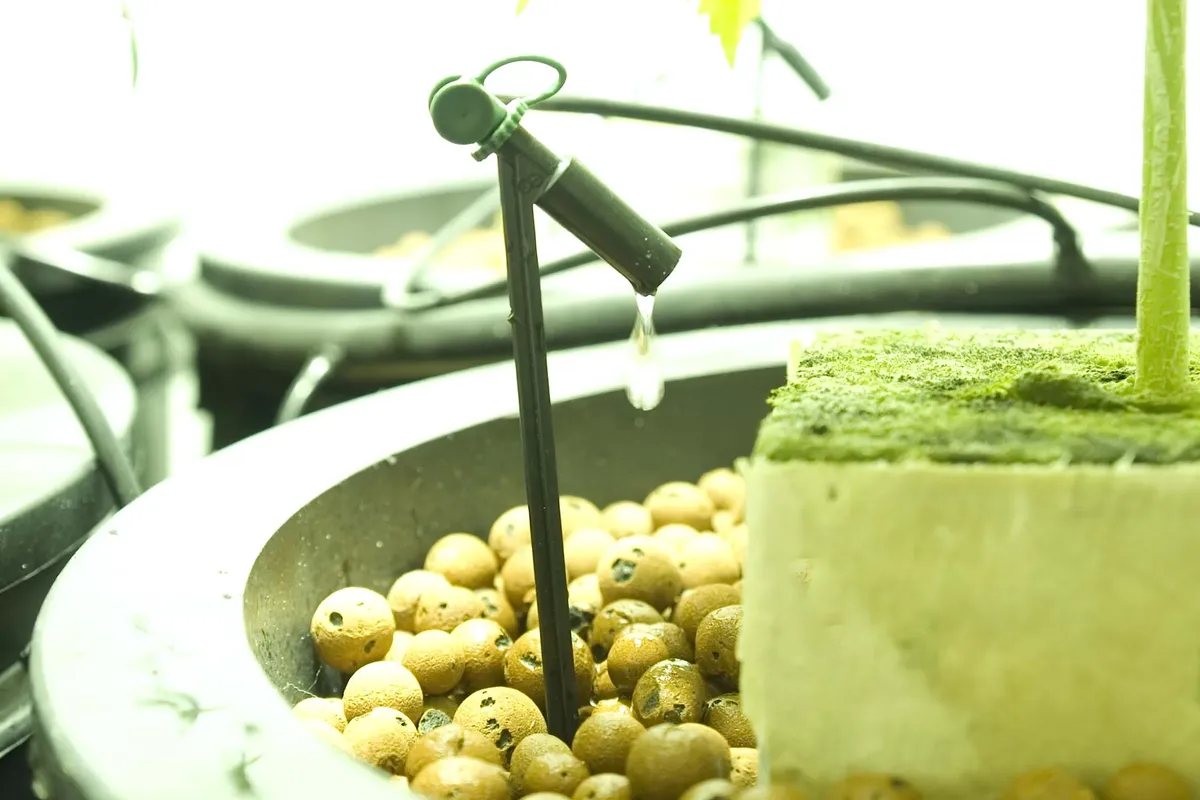
Sensor Network
- • Soil moisture at 10/30/50cm depths
- • Soil temperature sensors
- • Weather station (rain, wind, humidity)
- • Flow meters on irrigation lines
- • Tank level sensors
Control Actuators
- • Solenoid valves (zone control)
- • Pump enable relays
- • Motorized ball valves
- • Fertigation injectors
- • Alarm sirens (for leaks)
Water Savings
Smart irrigation typically reduces water usage by 30-50% compared to timer-based systems. A 10-hectare farm can save €5,000-15,000 annually in water costs while improving crop yields by 10-20%.
Greenhouse Automation
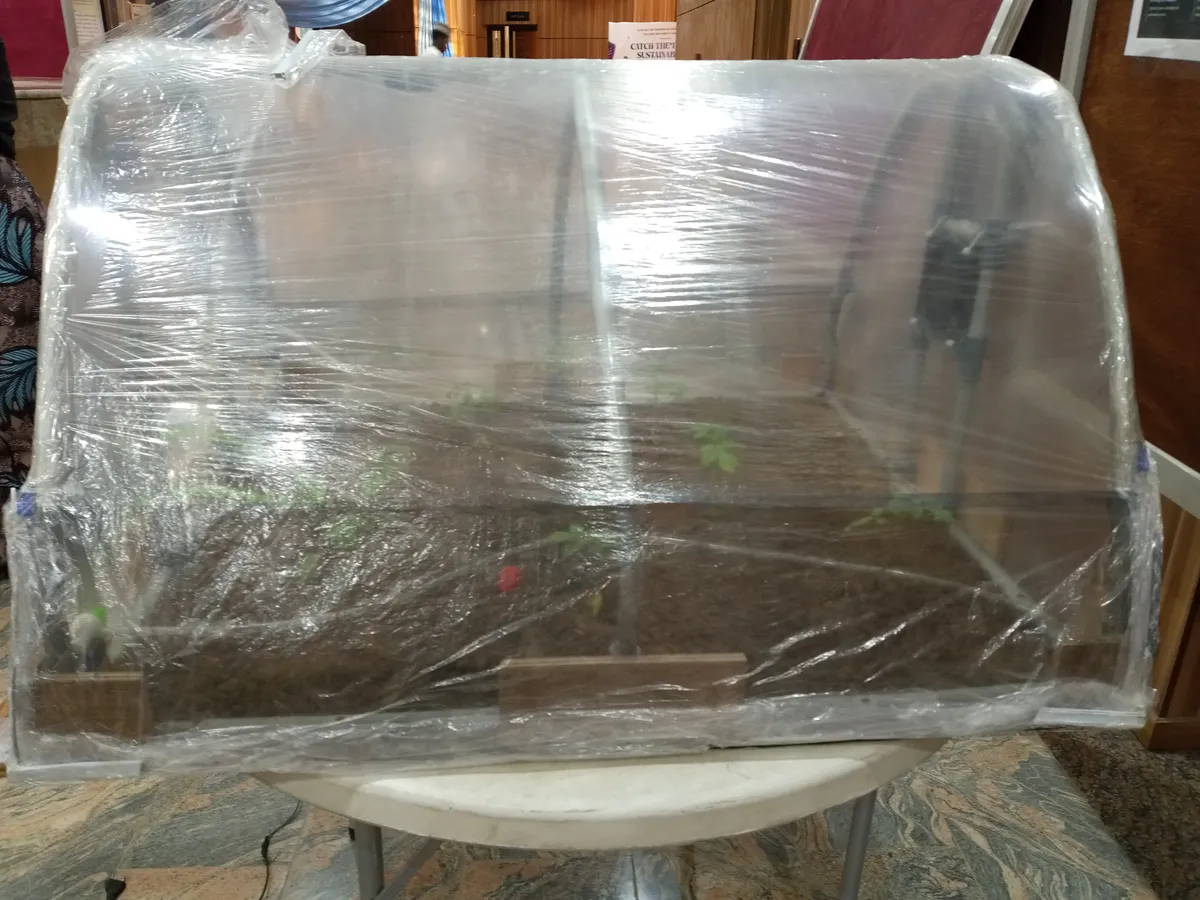
Greenhouses benefit from comprehensive environmental monitoring:
Climate Control
Temperature, humidity, CO2 levels, light intensity. Control vents, fans, heaters, shade screens.
Irrigation
Per-zone moisture control, EC/pH monitoring, automated nutrient dosing based on growth stage.
Monitoring
Plant health cameras, pest detection, growth tracking. Alerts for disease or stress indicators.
Conclusion
LoRaWAN makes precision agriculture accessible to farms of all sizes. Start with basic soil moisture monitoring, then expand to weather stations, irrigation control, and livestock tracking as you see ROI. The modular nature of LoRaWAN means you can add sensors incrementally without replacing existing infrastructure.
Ready to implement smart agriculture? Browse our selection of LoRaWAN modules and agricultural sensors at Robotics3D.
Frequently Asked Questions
How reliable is LoRaWAN for critical irrigation control?
LoRaWAN is highly reliable for monitoring applications, but for critical irrigation control, we recommend a hybrid approach: use LoRaWAN sensors for data collection and local controllers (PLCs or irrigation computers) for valve actuation. This ensures irrigation continues even if network connectivity is temporarily lost. For direct LoRaWAN valve control, implement fail-safes like maximum run-time limits and manual override capabilities.
Can LoRaWAN sensors work in areas without internet connectivity?
Yes, you can deploy a complete LoRaWAN network without internet by self-hosting a network server (like ChirpStack) on a local computer. The gateway connects to this local server via LAN, and all data stays on-farm. You can access dashboards on the local network and optionally sync data to the cloud when connectivity is available. This is ideal for remote farms with limited internet access.
How deep can I bury soil moisture sensors and still get LoRaWAN signal?
LoRaWAN signals can penetrate soil reasonably well, but attenuation increases with depth and moisture content. Best practice: bury the sensor probe at the desired measurement depth (15-60 cm) but keep the LoRaWAN transceiver and antenna at or above ground level. Many agricultural sensors use a buried probe connected by cable to an above-ground transmitter, solving this issue.
What happens to battery life if I need more frequent sensor readings?
Battery life is directly related to transmission frequency. A sensor transmitting every hour may last 10 years, while one transmitting every 15 minutes might last 3-5 years. For critical applications needing frequent updates, consider solar-powered sensors or rechargeable batteries. The Dragino LSN50v2 supports solar charging, enabling indefinite operation with frequent transmissions.
Can I integrate LoRaWAN agricultural sensors with my existing farm management software?
Yes, most farm management platforms support integration via APIs, MQTT, or webhooks. Your LoRaWAN network server (The Things Network, ChirpStack, etc.) can forward sensor data to these systems. Common integrations include Climate FieldView, John Deere Operations Center, and FarmLogs. You can also export data to CSV for analysis in Excel or specialized agricultural software.