
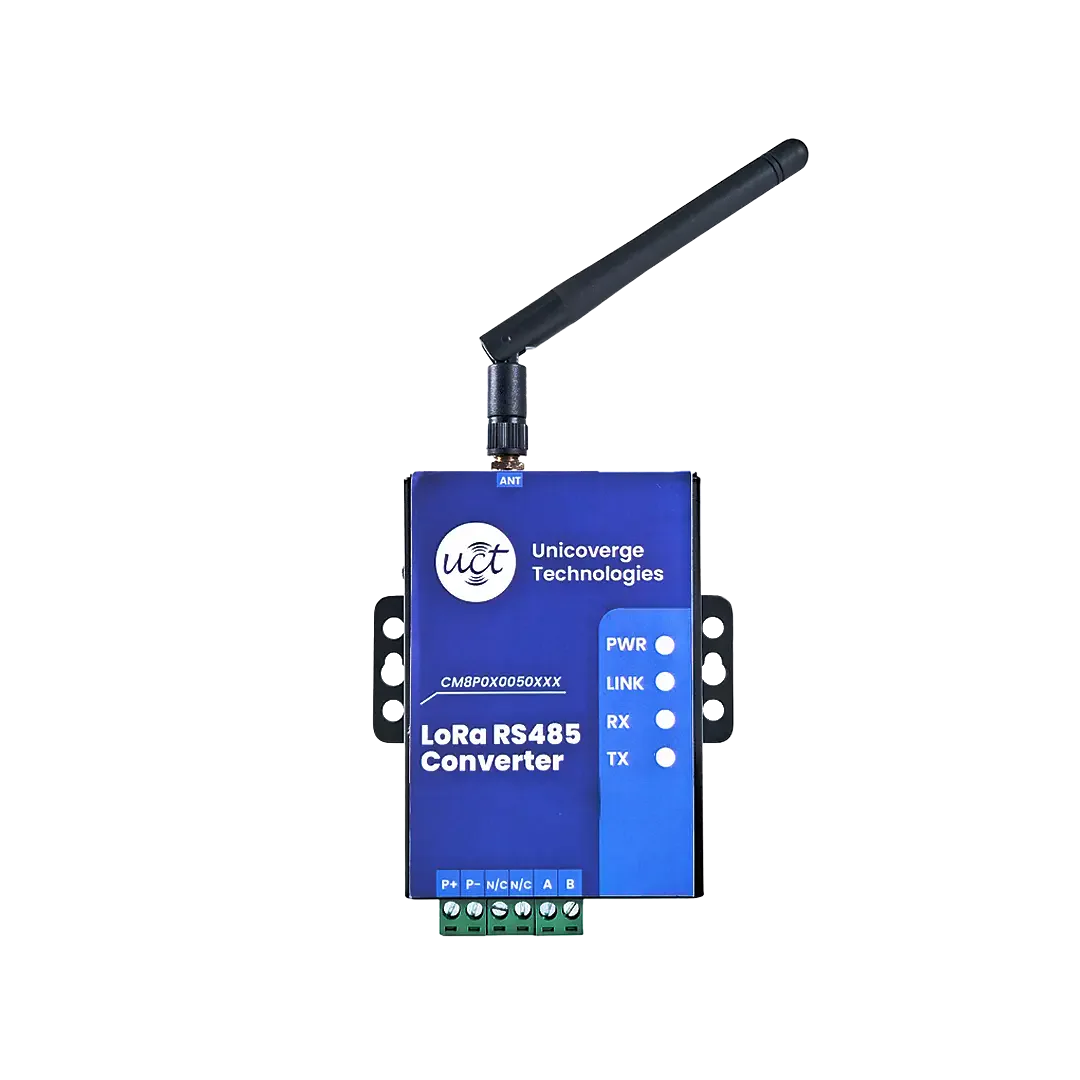
What is LoRaWAN?
LoRaWAN (Long Range Wide Area Network) is a wireless protocol designed for IoT devices that need to send small amounts of data over long distances while using minimal power.
LoRaWAN Key Features
- Range: Up to 15km rural, 2-5km urban
- Battery life: Years on a single battery
- Cost: Low infrastructure cost
- Data: Small packets (up to 243 bytes)
- Network: Star-of-stars topology
LoRaWAN Architecture
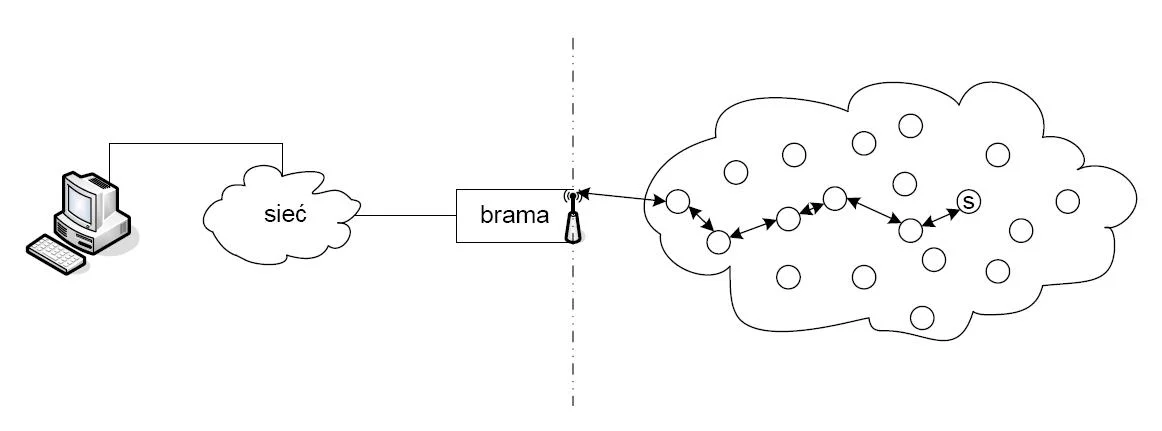
| Component | Role | Examples |
|---|---|---|
| End Device | Sensor/actuator with LoRa radio | Dragino LSN50, RAK Wisblock |
| Gateway | Bridges LoRa to IP network | Dragino LPS8, RAK7268 |
| Network Server | Routes packets, manages devices | TTN, ChirpStack, AWS IoT |
| Application Server | Processes data, user interface | Node-RED, Grafana, custom |
LoRa vs LoRaWAN
LoRa (Physical Layer)
- Radio modulation technique
- Chirp Spread Spectrum (CSS)
- Sub-GHz frequencies
- Point-to-point possible
- No network protocol
LoRaWAN (Network Protocol)
- MAC layer protocol on top of LoRa
- Device classes (A, B, C)
- Security (AES-128)
- Adaptive Data Rate
- Network management
Frequency Bands
LoRaWAN operates on license-free ISM bands. Use the correct band for your region!
| Region | Band | Channels |
|---|---|---|
| Europe (EU868) | 863-870 MHz | 8+ |
| USA (US915) | 902-928 MHz | 64+8 |
| Australia (AU915) | 915-928 MHz | 64+8 |
| Asia (AS923) | 923 MHz | 8 |
Device Classes
Class A (All devices)
Lowest power. Device initiates uplink, then opens two short receive windows. Server can only send downlinks after device uplink.
Class B (Beacon)
Scheduled receive slots. Device syncs with beacon from gateway and opens receive windows at scheduled times.
Class C (Continuous)
Always listening. Lowest latency for downlinks but highest power consumption. Typically mains-powered devices.
Real-World Applications
Smart Agriculture
Soil moisture, weather stations
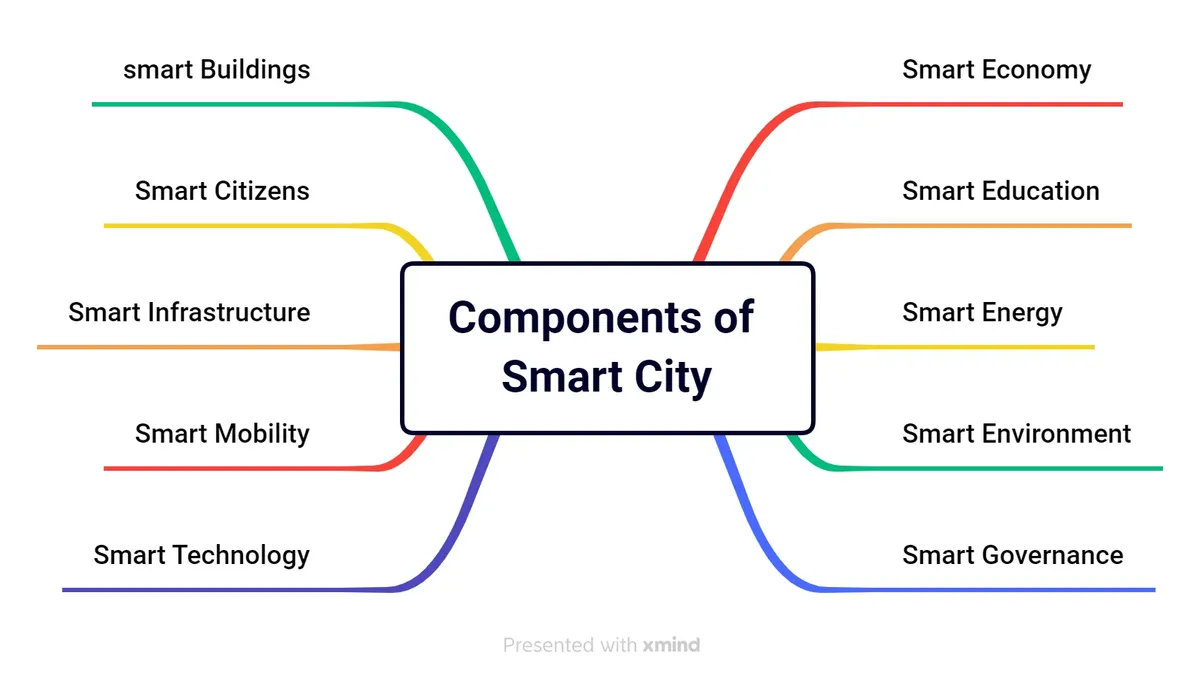
Smart City
Parking, waste bins, lighting
Asset Tracking
Containers, vehicles, pets
Industrial IoT
Machine monitoring, meters
Environmental
Air quality, water levels
Smart Building
HVAC, occupancy, energy
Getting Started
Quick Start Checklist
- 1. Choose a network: TTN (free), Helium, or private
- 2. Get a gateway (or find one nearby on TTN map)
- 3. Get an end device or build one (ESP32 + SX1276)
- 4. Register on network server
- 5. Configure device keys (AppKey, DevEUI, AppEUI)
- 6. Send your first packet!
LoRaWAN Products
We're official distributors for Dragino - gateways, sensors, and trackers.
See our Dragino Gateway Setup Guide to get started.
Frequently Asked Questions
What is the difference between LoRa and LoRaWAN?
LoRa is the physical layer radio modulation technique that enables long-range, low-power communication. LoRaWAN is the network protocol and architecture built on top of LoRa that defines how devices communicate with gateways and application servers, including security, data rates, and device classes.
How far can LoRaWAN signals travel?
LoRaWAN transmission range depends on environment and configuration. In rural areas with clear line-of-sight, signals can reach 15+ kilometers. In urban environments with buildings and interference, expect 1-5 kilometers. Indoor-to-outdoor coverage typically ranges from 500 meters to 2 kilometers.
Do I need a subscription to use LoRaWAN?
No subscription is required for LoRaWAN itself since it operates on unlicensed frequencies. However, you may choose to use commercial network server providers that charge fees, or use free options like The Things Network. You can also self-host a network server using open-source solutions like ChirpStack.
How long do LoRaWAN device batteries last?
Battery life depends on transmission frequency, payload size, and environmental conditions. Typical LoRaWAN sensors sending data once per hour can operate 5-10 years on a single battery. Devices transmitting every few minutes may last 1-3 years, while GPS trackers with frequent updates typically need recharging every few months.
Can LoRaWAN work indoors and underground?
Yes, LoRaWAN's sub-GHz frequencies (868/915 MHz) penetrate buildings and underground installations much better than 2.4 GHz technologies like WiFi. This makes LoRaWAN ideal for basement sensors, underground parking monitoring, and indoor asset tracking without requiring indoor gateway infrastructure.