
Choosing the Right Wireless Protocol
Not all IoT projects need WiFi. Understanding LoRaWAN, WiFi, and Zigbee helps you choose the right protocol for range, power, and data requirements.
Quick Comparison
| Feature | LoRaWAN | WiFi | Zigbee |
|---|---|---|---|
| Range | 5-15 km | 50-100 m | 10-100 m |
| Data Rate | 0.3-50 kbps | 11-1000+ Mbps | 250 kbps |
| Power | Ultra-low | High | Low |
| Battery Life | Years | Days/Weeks | Months/Years |
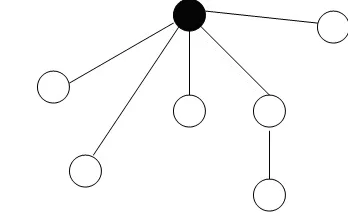
| Topology | Star | Star | Mesh |
| Frequency | 868/915 MHz | 2.4/5 GHz | 2.4 GHz |
| Network Cost | Free (TTN) | Existing infra | Hub required |
LoRaWAN
Best For
- Agriculture & farming
- Industrial monitoring
- Remote/rural deployments
- Asset tracking
- Battery-powered sensors
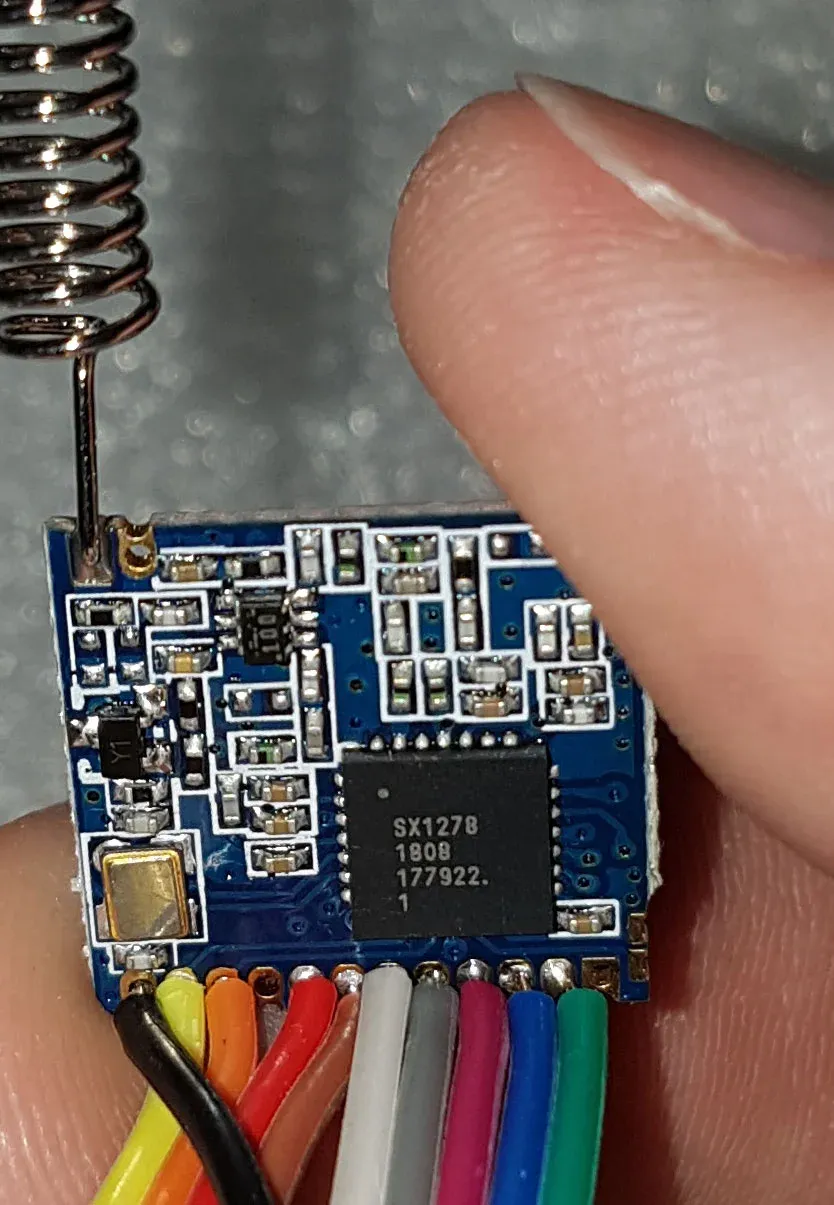
LoRaWAN excels at long-range, low-power applications. Send small sensor readings kilometers away on battery power lasting years.
WiFi
Best For
- Cameras & video streaming
- Smart home (powered devices)
- High-bandwidth applications
- Mains-powered devices
- Low-latency requirements
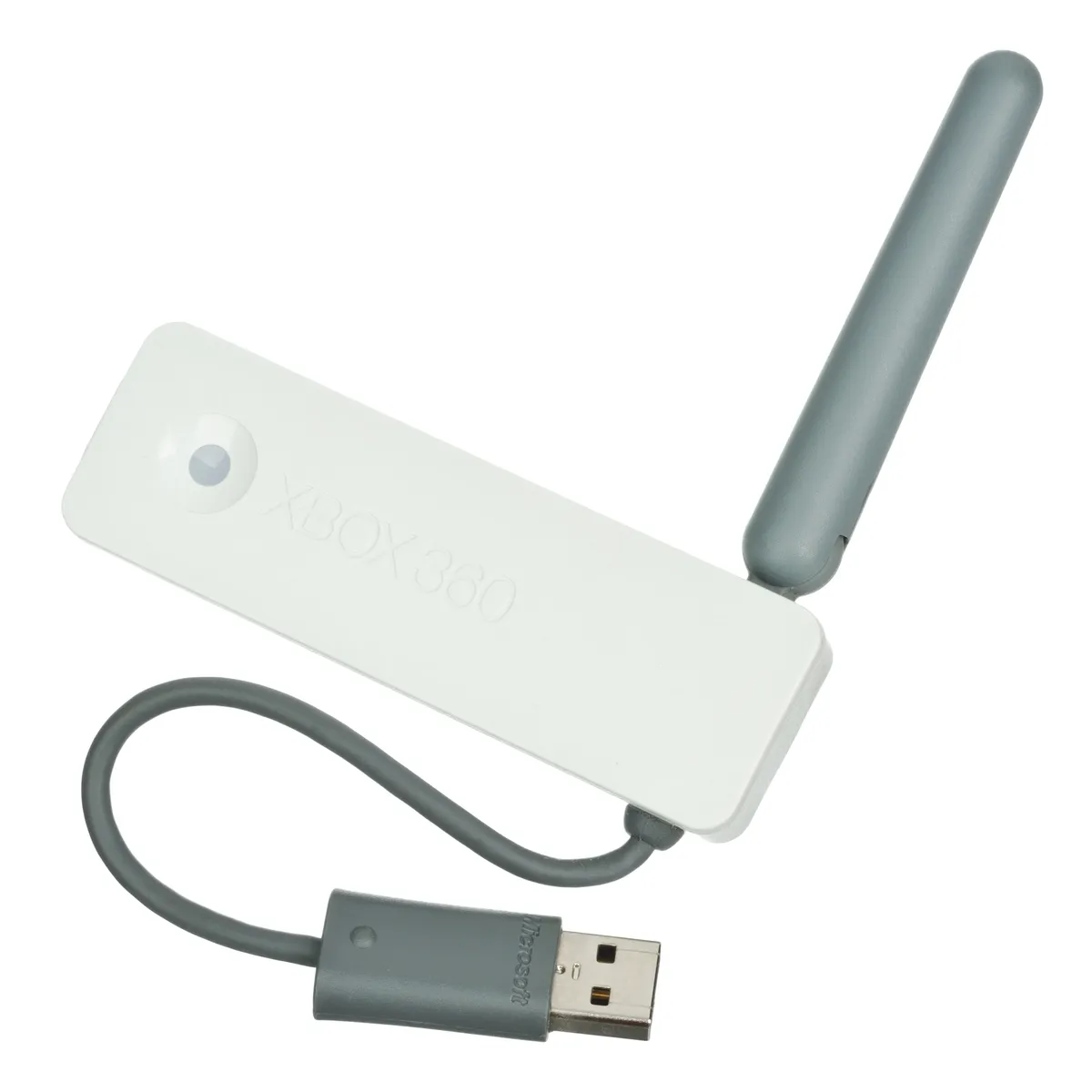
WiFi is best when you need bandwidth and have existing infrastructure. Great for cameras and dashboards, but power-hungry.
Zigbee
Best For
- Smart lighting (Philips Hue)
- Home automation
- Switches & buttons
- Indoor sensors
- Mesh networks
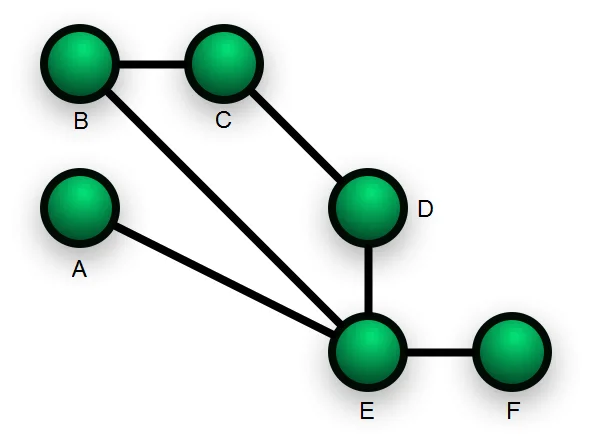
Zigbee's mesh topology means devices can relay messages, extending range throughout buildings. Popular for smart home with standardized profiles.
Decision Guide
Choose LoRaWAN if:
- Range > 100m needed
- Battery must last years
- Small data packets (sensors)
- Outdoor/remote deployment
Choose WiFi if:
- High bandwidth needed
- Video streaming
- Mains power available
- Existing WiFi network
Choose Zigbee if:
- Indoor home automation
- Mesh reliability needed
- Smart lighting systems
- Battery-powered switches
Wireless IoT Products
Browse our Dragino LoRaWAN gateways and sensors.
See also: LoRaWAN Beginners Guide
Frequently Asked Questions
Can LoRaWAN, WiFi, and Zigbee devices communicate with each other?
Not directly - these are different physical layer protocols that cannot communicate with each other. However, you can use a central hub or gateway that supports multiple protocols to integrate devices. For example, a home automation hub might connect to Zigbee lights, WiFi cameras, and LoRaWAN outdoor sensors, providing a unified interface.
Which technology is most secure?
All three technologies offer strong encryption: LoRaWAN uses end-to-end AES-128 with dual-layer security, WiFi uses WPA2/WPA3, and Zigbee uses 128-bit AES. Security depends more on implementation than the protocol itself. LoRaWAN's dual-layer approach (network and application security) provides defense-in-depth, while WiFi security depends on proper router configuration.
Can I use WiFi for outdoor sensors like weather stations?
While possible, WiFi is not ideal for outdoor battery-powered sensors due to high power consumption and limited range. WiFi devices typically need wired power, which is challenging outdoors. LoRaWAN is significantly better suited for outdoor sensor deployments, offering 5-10 year battery life and kilometer-range connectivity.
Is Zigbee better than WiFi for smart home devices?
Zigbee offers advantages for battery-powered sensors (longer battery life), larger device networks (less congestion), and mesh coverage (self-healing networks). WiFi is better for bandwidth-intensive devices like cameras and speakers. Many smart homes use both: Zigbee for sensors/lights, WiFi for cameras/displays.
Do I need internet connectivity for LoRaWAN, WiFi, or Zigbee to work?
Local operation differs by technology: WiFi devices often work locally without internet, Zigbee networks function entirely offline, but LoRaWAN gateways typically need internet to reach the network server. However, you can run a local LoRaWAN network server without internet using solutions like ChirpStack. For cloud features (remote access, voice control), all three typically require internet.